
May 30, 2025
Is Cosmetology School Worth It?
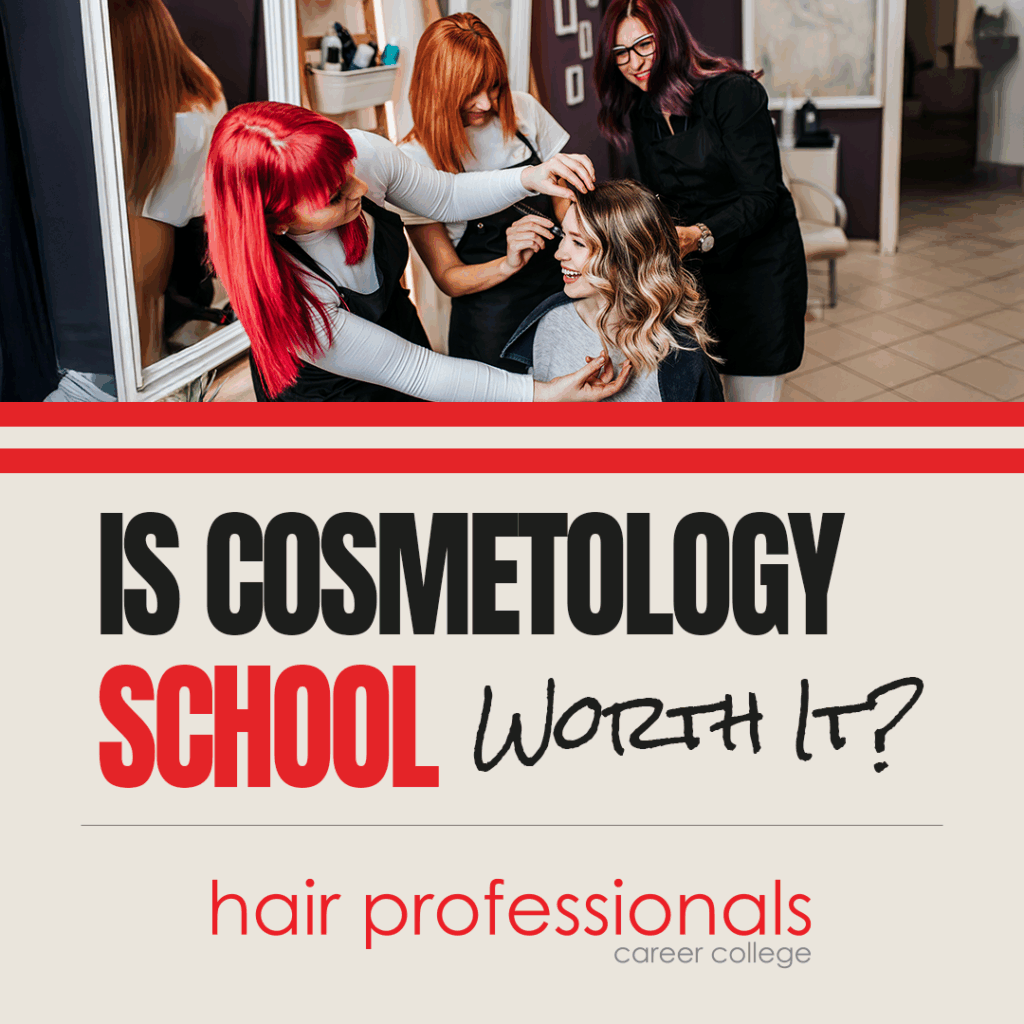
Cosmetology school can be worth it for someone who wants hands-on, creative work and a professional license that supports opportunities in salons, spas, and independent beauty settings. Tuition can cost up to $27,000, with a cosmetology kit adding up to $3,500, and students typically complete training in 12 to 24 months depending on their schedules. Hair Professionals Career College offers a 1,500-hour cosmetology program that combines classroom instruction with supervised, real-client experience in a student salon at its Illinois campuses in Oswego, Sycamore, and Palos Hills. Financial aid is available to those who qualify, helping prospective students explore how cosmetology education fits their goals and budget.
How much does cosmetology school cost?
Cosmetology school tuition can run up to $27,000, with a required cosmetology kit costing up to an additional $3,500. The total cost depends on the school, the tools and products included, and the expenses associated with completing training.
When comparing programs, look beyond the advertised tuition price. Understanding what is included in the cost of attendance helps you evaluate the investment before enrolling.
- Tuition: The cost of classroom instruction, technical education, and supervised training.
- Cosmetology kit: Tools and products used to practice cutting, coloring, styling, and other beauty services.
- Additional expenses: Ask whether books, uniforms, licensing exam fees, and other required supplies are included in the quoted cost.
- Financial aid: Eligible students may have options that help cover certain educational expenses.
Financial aid is available to those who qualify. Prospective students can explore available assistance through the financial aid process and Free Application for Federal Student Aid (FAFSA®).
Before making a decision, ask the admissions and financial aid teams for a breakdown of program costs, potential aid for those who qualify, and expenses that may not be included in tuition. This gives you a clearer picture of your financial commitment.
How long does cosmetology school take?
Cosmetology school typically takes 12 to 24 months, depending on whether a student attends full time or part time. Full-time students may complete training in approximately one year, while part-time students often need closer to two years.
Hair Professionals Career College offers a 1,500-hour cosmetology program designed to provide the technical knowledge and practical experience involved in preparing for the beauty industry.
The number of months needed to finish depends on how training hours are scheduled, attendance, and individual progress. A student who can attend more hours each week may complete the required training sooner than someone balancing school with work or family responsibilities.
When evaluating your timeline, consider the following:
- Weekly availability: How many hours can you realistically dedicate to school?
- Attendance requirements: What happens if you miss scheduled training hours?
- Practical training: How will hands-on instruction and student salon experience fit into the program?
- Licensing preparation: What steps are required after completing school to apply for the state licensing exam?
Ask admissions about current scheduling options and estimated completion timelines at your preferred campus. Choosing a manageable schedule is an important part of planning for cosmetology school.
What do you learn in cosmetology school?
Cosmetology school teaches the technical, scientific, safety, and client service skills used in hair, skin, and nail services. Students develop these skills through classroom instruction, practical exercises, and supervised experience working with clients.
Typical areas of study include:
- Hair cutting: Learning cutting techniques, shapes, and styles for different hair types.
- Hair coloring: Studying color theory, application methods, and chemical services.
- Hair styling: Practicing styling methods for everyday looks and special occasions.
- Skincare: Learning foundational facial and skincare techniques within the cosmetology scope of practice.
- Nail care: Studying manicure techniques, nail maintenance, and design.
- Health and sanitation: Practicing hygiene, disinfection, and safe handling of tools and products.
- Cosmetic chemistry: Understanding how products and chemical treatments interact with hair and skin.
- Business and communication: Developing consultation skills, customer service habits, and foundational business knowledge.
Hands-on practice is an important part of connecting classroom lessons with actual beauty services. Students learn to follow procedures, communicate with clients, and work with professional tools while receiving instructor guidance.
At Hair Professionals Career College, students gain real-client experience through the student salon. Services are performed by students under the supervision of licensed professionals.
This environment gives students opportunities to practice consultations, apply techniques, receive feedback, and develop confidence in a supervised setting before completing their education.
How long does it take to pay back student loans for cosmetology school?
Student loan repayment depends on how much a student borrows, the loan type, interest rates, and the repayment plan. Some federal student loans have a grace period of approximately six months after a student leaves school or drops below half-time enrollment, but repayment requirements vary.
Monthly payments are not the same for every borrower. Although some repayment arrangements may involve relatively small monthly payments, there is no universal $50 minimum payment that applies to every cosmetology student.
Before accepting a loan, it helps to understand:
- The amount borrowed: Review how much of your education will be financed rather than paid upfront or through other sources.
- The interest rate: Understand how interest can affect the total amount repaid.
- The repayment term: Ask how many months or years repayment may take under the available plan.
- The payment start date: Confirm when payments begin for your specific loan.
- The total repayment amount: Compare the original loan amount with the estimated total cost after interest.
Financial aid is available to those who qualify, but eligibility and awards depend on individual circumstances. A financial aid counselor can help explain available options, loan obligations, and questions to consider before borrowing.
It is also important to evaluate repayment using a realistic personal budget rather than assuming a particular income after graduation. Cosmetology earnings vary with experience, location, services, employment arrangements, and other factors.
What are the benefits of becoming a cosmetologist?
One of the main benefits of becoming a cosmetologist is the opportunity to combine creative work with practical skills and direct client interaction. Licensed cosmetologists may pursue different types of employment and specialize in services that match their interests.
Several aspects of the profession appeal to people considering cosmetology education.
- Creative work: Haircuts, color services, styling, and beauty treatments allow professionals to apply artistic and technical skills.
- Different workplace settings: Cosmetologists may work in salons, spas, product companies, or independent service businesses, depending on their licenses and qualifications.
- Opportunities to specialize: Professionals may focus on cutting, color correction, texture services, bridal styling, or other areas as they gain experience.
- Client relationships: Beauty services often involve repeated appointments and ongoing communication with clients.
- Scheduling possibilities: Some employment and independent work arrangements allow flexibility, although hours depend on the position and business needs.
- Continued learning: Trends, products, and techniques change, creating opportunities to expand existing skills.
A cosmetology license can support work in several beauty settings, although state licensing requirements and rules about transferring a license between states vary. Anyone planning to work outside Illinois should check the requirements of the state where they intend to practice.
For people who enjoy working with their hands, solving practical problems, and helping clients achieve a desired look, cosmetology can offer a satisfying professional direction.
Are there any downsides to cosmetology school?
Cosmetology school requires a meaningful commitment of time, money, and physical effort. Understanding those demands before enrolling helps students decide whether the education and profession fit their circumstances.
Some factors to consider include:
- Physical demands: Cosmetologists often spend extended periods standing, moving between workstations, and performing repetitive hand movements.
- Chemical exposure: Certain hair and beauty services involve products that require careful handling, proper ventilation, and appropriate safety procedures.
- Education expenses: Tuition, supplies, and possible student loan obligations should be evaluated against a personal budget.
- Time commitment: Completing required training hours means maintaining consistent attendance and making time for practical assignments.
- Variable income: Earnings differ by experience, geographic area, service demand, and employment arrangement. Building a clientele can take time.
- Work schedules: Some salon positions require evenings or weekends to accommodate clients.
Safety education helps students learn how to handle tools, products, and sanitation responsibilities, but it does not eliminate every occupational risk.
It is equally important to understand that completing cosmetology school does not automatically provide a job, a specific income, or a professional license. Graduates must meet applicable state licensing requirements.
Students who enjoy creative, hands-on work may find the training worthwhile, but it is still important to weigh the costs and responsibilities alongside the potential benefits.
What types of careers are available for a cosmetologist?
Cosmetology education can support opportunities in hairstyling, coloring, salon operations, beauty retail, and related fields. The positions available depend on the graduate’s license, skills, experience, and any additional training or credentials required.
- Hair stylist: Providing cutting, styling, and other hair services within the licensed scope of practice.
- Hair colorist: Focusing on hair color techniques and related client consultations.
- Makeup artist: Providing makeup services where permitted under applicable laws and licensing rules.
- Nail technician: Performing permitted nail services, subject to state scope-of-practice requirements.
- Esthetician: Pursuing a skincare-focused career with any additional education and licensing required by the state.
- Salon manager or owner: Taking on business responsibilities, potentially with additional experience, permits, or training.
- Beauty educator: Pursuing instructional opportunities with the qualifications or instructor license required for the role.
- Brand representative or product specialist: Working with beauty products through retail, education, or customer support roles.
Some cosmetologists choose to focus on one specialty, while others develop skills in multiple service areas. Additional education and practical experience may help professionals explore different directions as their interests develop.
The right path depends on your preferred work environment, the kinds of services you enjoy providing, and the licensing requirements for the work you want to do.
Why choose Hair Professionals Career College for cosmetology school?
Hair Professionals Career College combines classroom learning with supervised, hands-on client experience in a 1,500-hour cosmetology program. The school has more than 45 years of experience helping aspiring beauty professionals pursue their education in Illinois.
Hair Professionals Career College has campuses in Oswego, Sycamore, and Palos Hills, giving prospective students several locations to consider when evaluating their commute and education plans.
The school’s approach includes:
- Practical instruction: Students learn technical beauty skills through instruction and hands-on exercises.
- Student salon experience: Students perform services for real clients under the supervision of licensed professionals.
- Industry-focused learning: Training covers beauty techniques, safety practices, and client communication.
- Multiple Illinois campuses: Students can explore the Oswego, Sycamore, and Palos Hills locations.
- Financial aid guidance: Prospective students can explore financial aid options for those who qualify.
Real-client training gives students the opportunity to connect technical knowledge with the practical responsibilities of providing beauty services. Learning to consult with clients, apply procedures, maintain sanitation, and respond to instructor feedback is part of that process.
Students who complete the required education can take the next steps toward applying for the Illinois state licensing exam, subject to the state’s eligibility requirements. Licensure is determined by the applicable state licensing authority, not by school completion alone.
Student salon notice: All services are provided by students under the supervision of licensed professionals.
How do you decide if cosmetology school is worth it for you?
Cosmetology school may be worth the investment if you enjoy beauty services, are comfortable with hands-on work, and can commit to the time and cost required for training. The decision should account for your interests, finances, schedule, and long-term goals rather than relying on promises about future earnings.
Use these steps to evaluate your options:
- Identify your interests. Think about whether you enjoy hairstyling, color, makeup, client service, or other aspects of the beauty industry. Consider whether you would enjoy performing these services regularly.
- Review the training requirements. Understand the program’s required hours, attendance expectations, and how long completion may take with your schedule.
- Calculate the full cost. Ask for tuition, kit expenses, and any other required fees. Explore financial aid for those who qualify.
- Understand licensing. Learn what is required to apply for the Illinois cosmetology licensing exam and any additional requirements for your intended career path.
- Explore the learning environment. Ask how classroom instruction, practical training, and supervised client services are organized.
- Speak with admissions. Review your questions with a school representative before deciding whether to enroll.
At Hair Professionals Career College, prospective students can discuss the 1,500-hour training program, their preferred campus, program expenses, and the next steps in enrollment.
Next step: Connect with the Hair Professionals Career College admissions team to compare the cost, schedule, and hands-on training opportunities before making your decision. Ask about available financial aid for those who qualify.
Frequently asked questions about cosmetology school
Is cosmetology school worth the cost?
Cosmetology school can be worth the cost for students interested in creative, hands-on work who are prepared to meet the education and licensing requirements. Tuition can run up to $27,000, with kits costing up to $3,500. Consider the total expense, training timeline, and career interests before enrolling. Financial aid is available to those who qualify.
How much does cosmetology school cost on average?
Cosmetology school tuition can cost up to $27,000, plus up to $3,500 for a required kit, according to the cost estimates discussed in this article. Actual expenses vary by school and what is included in tuition. Request a detailed breakdown of program costs and ask about financial aid for those who qualify.
How long does it take to become a cosmetologist in Illinois?
Cosmetology students typically spend about 12 to 24 months completing training, depending on their schedules. Hair Professionals Career College offers a 1,500-hour cosmetology program. After completing the required education, eligible students can sit for the state licensing exam and must meet other applicable Illinois licensing requirements before practicing.
What can you do with a cosmetology license?
A cosmetology license can support work in hairstyling, hair coloring, beauty services, and related salon settings within the state’s permitted scope of practice. Additional opportunities may include salon management, beauty retail, and product education. Some specialties or positions require additional licenses, qualifications, or experience.
Can you get financial aid for cosmetology school?
Financial aid is available to those who qualify. Students may explore applicable options through the FAFSA® process and the school’s financial aid team. Eligibility and award amounts depend on individual circumstances and the requirements of each aid program. Assistance is not guaranteed.
Can you work while attending cosmetology school?
Some students may be able to work while attending cosmetology school, depending on their schedules and the training hours required. Part-time attendance may offer more time for other responsibilities but can extend the overall program timeline. Ask Hair Professionals Career College admissions about current scheduling and attendance requirements at your preferred campus.